Post-Fire Stabilization
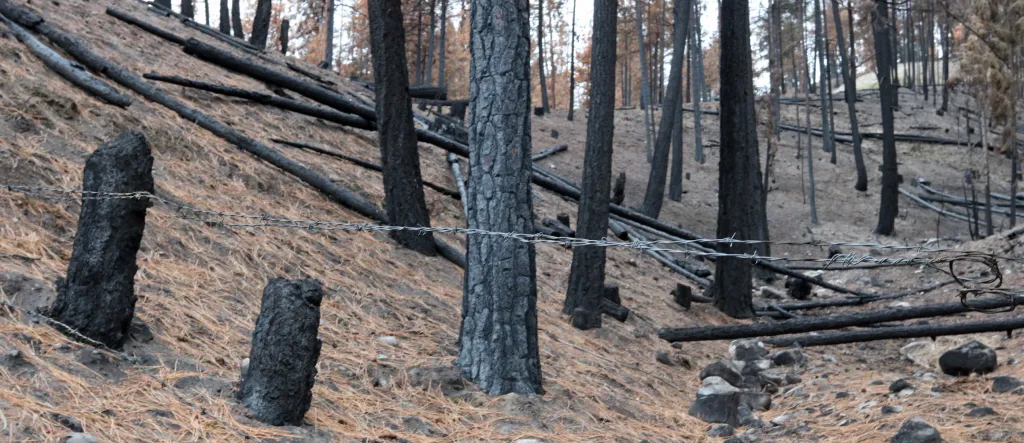
After a wildfire, the next damage often comes from wind and rain. Loose soil moves fast, drainage paths plug, and unstable trees become a safety issue. Post-fire stabilization is the work that makes the site safer and helps prevent small problems from turning into washouts and bigger repairs.
We start with the risks that matter most on your property. That usually means access, hazards, and water flow. From there, we stage cleanup and stabilization work in a practical order.
What Post-Fire Stabilization Covers
This work is not one single service. It is a set of scopes that often overlap. The right mix depends on slope, soil, access, and how water crosses the site.
- Burn Clean Up to remove hazards, debris, and unsafe material
- Wildfire Drainage Management to keep runoff controlled during storms
- Erosion Control for slopes, runoff paths, and exposed ground
- Timber Salvage where safe removal and usable wood make sense
- Land Reclamation for grading, stabilization, and usable ground
Why Water Is the First Priority
After fire, vegetation is reduced and soil structure can change. Water can concentrate in new places, cut channels, and move ash and sediment into low areas. If a culvert plugs or a ditch fails, damage can spread quickly.
We look at where water is coming from, where it is crossing, and where it should go. If drainage needs attention, we coordinate it early through drainage management and erosion control.
Burn Clean Up and Site Safety
Cleanup is often required before other work can happen. It clears unsafe debris, reduces trip hazards, and opens access for equipment. It also helps you see the ground conditions and the true drainage paths.
For cleanup scope details, see Burn Clean Up.
Timber Hazards and Salvage
Burned trees can fail without much warning, especially in wind. Some trees may also be worth salvaging depending on access and condition. We can assess the area, identify hazard trees in work zones, and plan removal or salvage in a controlled way.
For salvage scope details, see Timber Salvage.
Stabilizing Slopes and Exposed Ground
Slopes and drainage lines are where problems usually show up first. We use practical erosion control based on what the site needs, not a one-size approach. If the site will be disturbed for access or cleanup, we plan for stability so the work does not create new runoff issues.
For erosion scope details, see Erosion Control.
Rebuilding Usable Ground
Some properties need more than spot repairs. If the goal is to restore access, prepare for redevelopment, or stabilize larger disturbed areas, we can move into grading and soil stabilization work. This is where land reclamation fits.
For reclamation scope details, see Land Reclamation.
How We Stage the Work
Most post-fire sites run smoother when the work is staged in a clear order. The exact order changes by site, but a common sequence looks like this.
- Confirm safe access and identify hazards in work areas
- Address drainage pinch points and runoff risks first
- Complete burn clean up and debris handling
- Install erosion control where soil is exposed or slopes are active
- Move into salvage or reclamation as needed for the end goal
Request a Site Visit
If your property has been affected by wildfire and you are concerned about runoff, erosion, or site safety, we can help. Contact us and we will talk through what has changed on the site and what the next step should look like.