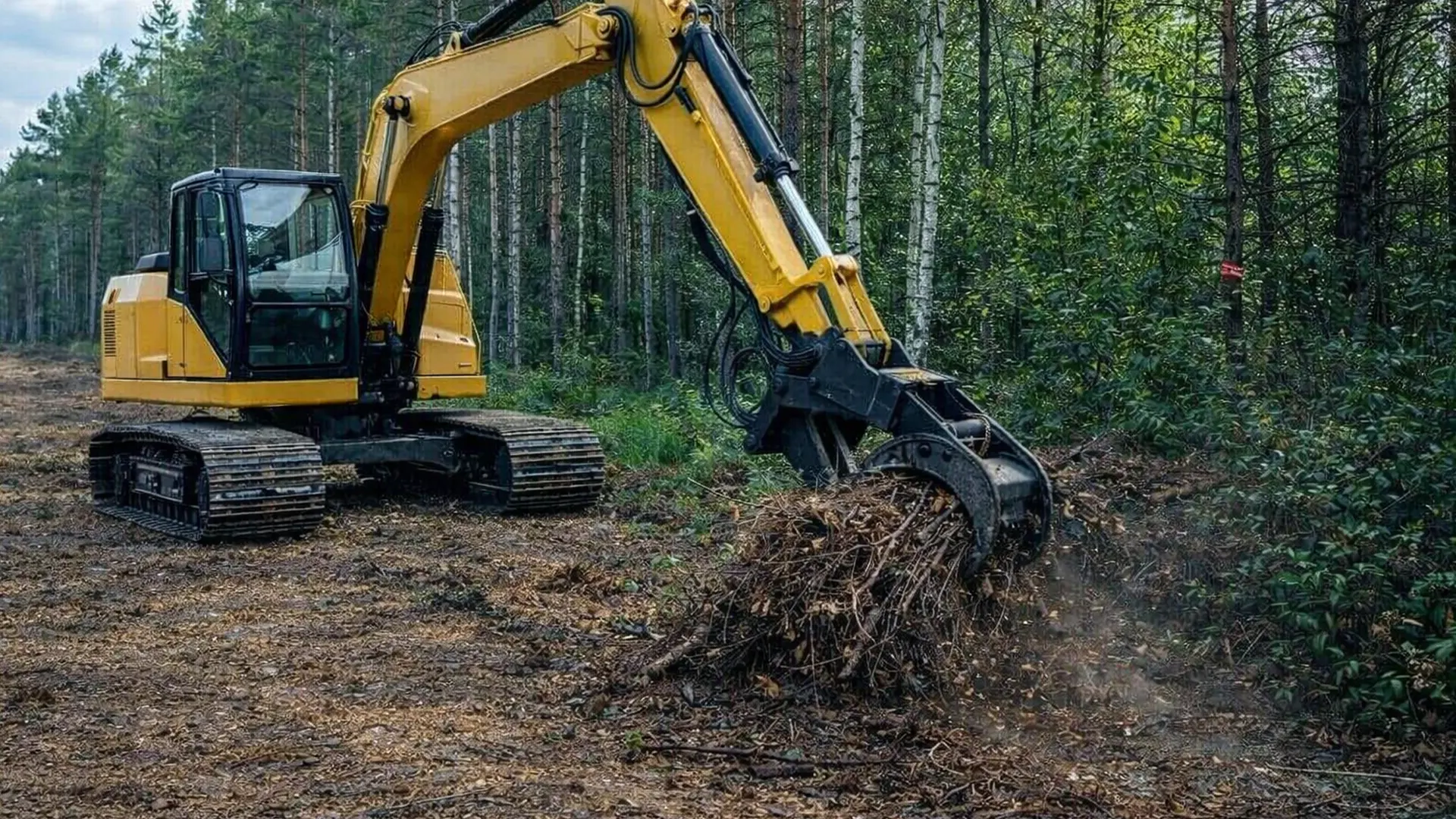
Wildfire Mitigation and Risk Reduction
Wildfire mitigation is the work you do before fire season to reduce ignition risk and improve access. On many Okanagan properties, the biggest problems are simple. Dry needles, brush, wood piles near buildings, overgrown edges, and tight access routes.
We help you prioritize what matters most on your site. Some projects are light cleanup and yard changes. Some need equipment, hauling, and construction work. The first step is usually a wildfire site assessment so you know what to do first.
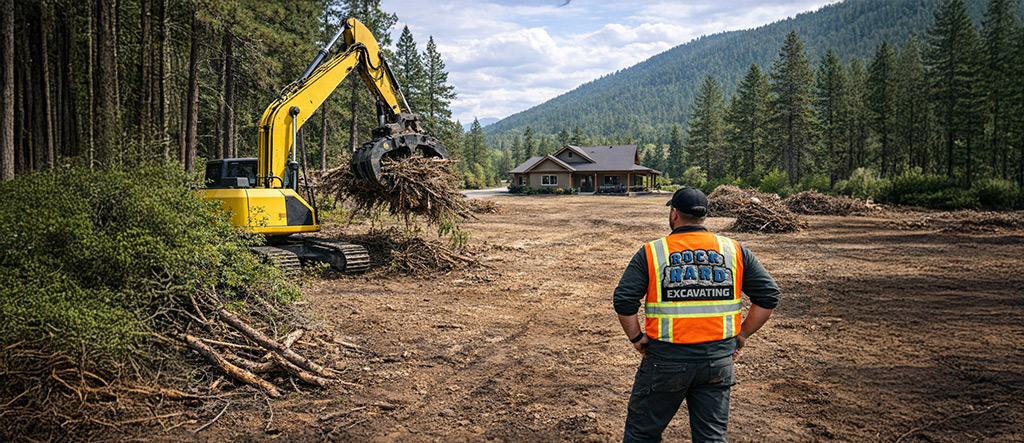
Start Where Homeowners Start
Many homeowners search for “FireSmart landscaping” because it feels like the right place to begin. That page is built for homeowner intent and simple next steps. If you are starting with your yard and the area right around the home, see Wildfire Prevention Landscaping (FireSmart).
If your property needs heavier cleanup, access work, or site shaping, we can handle the construction scope and coordinate the work in phases.
Core Mitigation Services
These are the main services we build and support across Kelowna and the Okanagan. Each one has its own page with scope details.
- Defensible Space Construction around homes, shops, and outbuildings
- Fuel Reduction Excavation for deadfall, brush, and overgrown areas
- Firebreak Construction to break up fuels and improve response access
- Emergency Access Roads and access improvements for equipment and response
- Drainage Management to keep water controlled on and after sitework
- Erosion Control for slopes, runoff paths, and exposed ground
Defensible Space and Home Ignition Risk
Defensible space is the managed area around a structure that reduces wildfire ignition risk. It focuses on the fuels closest to the building, where embers land and heat builds fast. If you want this done as a build scope, see Defensible Space Construction.
If your priority is yard layout and maintenance choices, start with FireSmart landscaping and we can support the heavier portions when needed.
Fuel Reduction and Cleanup
Fuel reduction is targeted removal and cleanup. It focuses on surface fuels and ladder fuels that carry fire into tree crowns. Ladder fuels are the low branches and brush that connect ground fuels to the canopy. For larger areas and equipment-based work, see Fuel Reduction Excavation.
Access Roads and Emergency Access Improvements
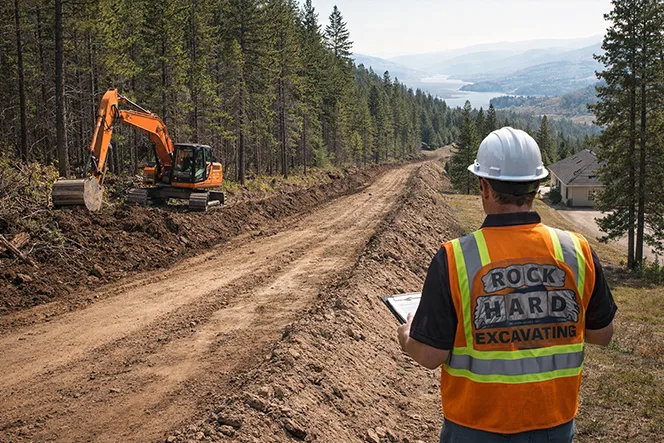
Access matters when conditions turn serious. Tight driveways, soft shoulders, overgrown routes, and no place to turn around can limit response and slow mitigation work. If access is a constraint on your property, see Emergency Access Roads.
If the access route also needs fuel breaks, see Firebreak Construction.
Drainage and Erosion Risk
Drainage is not only a post-wildfire issue. It matters before fire season too, especially when you are opening up ground, clearing fuels, or improving access. We look at runoff paths so you do not trade one problem for another. For the drainage scope, see Drainage Management.
If your site has steeper ground or exposed soil, erosion control may be part of the plan. See Erosion Control.
Recovery Work After a Fire
If a fire has already affected your property, recovery work needs to be staged safely. We often start with access, hazards, and runoff control, then move into cleanup and reclamation. These pages cover the common recovery scopes.
- Burn Clean Up for debris, hazards, and site readiness
- Timber Salvage where usable wood and safe removal make sense
- Land Reclamation for grading, stabilization, and usable ground
Grants and Planning Support
Some projects may qualify for mitigation funding depending on location, program rules, and scope. If you are exploring options, see Wildfire Mitigation Grants in BC. We can also start with a site assessment so you have a clear scope to work from.
How We Keep It Practical
Most property owners want a plan that stays reasonable. We identify the highest risk areas first, then focus on work that delivers the biggest reduction for the cost. Sometimes that is simple cleanup. Sometimes it is access. Sometimes it is defensible space or a firebreak.
You can start small and still make a real difference. The goal is a cleaner site, better spacing, and safer access that you can maintain.
Request a Site Assessment
If you have an acreage, a rural driveway, a hillside property, or a yard that backs onto forest, we can help you reduce risk and build a simple plan that fits your land. The best first step is a wildfire site assessment.
Contact us and we will talk through what you are trying to protect and what the next step should look like.