Erosion Control
After a wildfire, bare ground can move fast when it rains. Ash and loose soil can wash into ditches, roads, and low areas. Erosion control helps keep soil in place and protects what is downhill.
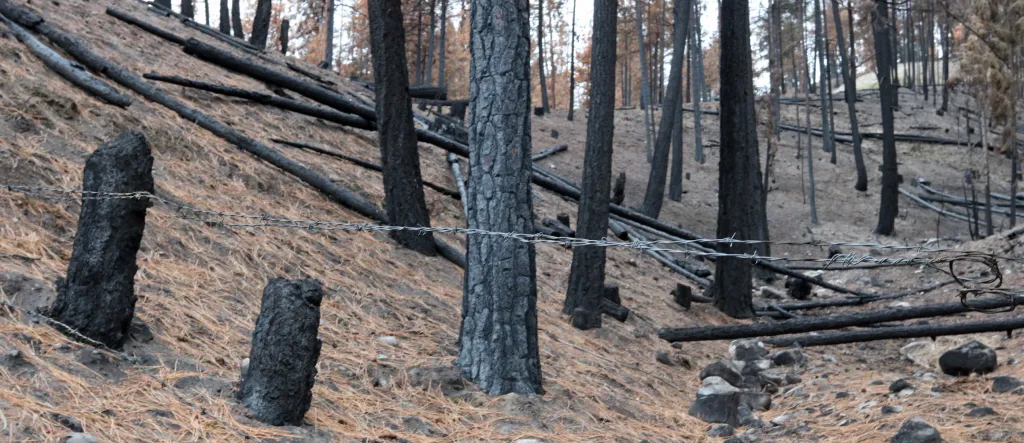
Understanding Post-Wildfire Erosion
Wildfire often removes the plants and roots that hold soil together. Water can then cut new channels, plug culverts, and carry sediment into creeks and ponds. The highest risk is usually the first heavy rains, especially on slopes and in drainage paths.
Assessment and Planning
We start with a site walk and a practical plan. We look at slope steepness, soil type, burn severity, and where water already flows. From there, we identify the areas that need protection first. Each property is different, so the plan needs to match the ground and the risk.
Erosion Control Techniques
We use proven erosion control methods based on what your site needs. Re-vegetation helps long term stability by restoring root structure and ground cover. Mulching can protect exposed soil from rain impact and reduce surface wash. We can also install barriers like silt fences, fiber rolls, and retaining structures to slow water and keep sediment from moving. On many sites, a mix of methods works best.
Effective Erosion Control Solutions
Our focus is simple. Protect the areas that matter and keep the soil where it belongs. We plan the work around access, safety, and how the site drains so you get a solution that holds up through weather.
We use field-tested methods and we stay current on better materials and practices. The goal is not to overbuild. The goal is to reduce erosion risk and prevent small problems from turning into major repairs.
If you are dealing with erosion after wildfire, we can help. We will assess the site, recommend a practical approach, and complete the work with clear scope and cleanup.
Contact Rock Hard Excavating to discuss erosion control and soil stabilization for your property.